With almost a year of Pandemic behind us and unable to travel, I dust off memories of our last big trip, to Japan, in August 2019…
We were in Tokyo, and one day, my original plan was to go to Asakusa for the day while my husband was in meetings. I’d been there with him on a previous trip, and I knew I could easily spend hours and hours there among the temples. But dinner plans settled the night before meant that today, I needed to find a simpler option.
I googled “don’t miss sights Tokyo” and when the list appeared, I skimmed it for a place I’d never been. One caught my eye—Gotokuji—the home of the lucky cat. Some of the reviews said, “Don’t bother—boring and hard to get to”, but others said, “If you love cats, you should go.” I decided to go.
I worked out the route with the help of Google maps: from Shinagawa Station on the Yamamoto line to Shinjuku and there change to Odakyu line to Gotokuji Station, then 15 minute walk to the temple. It sounded like a perfect opportunity to try my place-finding skills in the Tokyo suburbs.
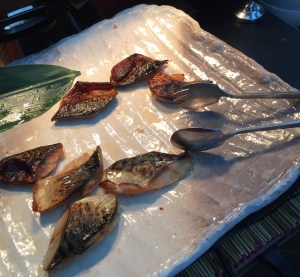
After a breakfast of ramen noodles, miso, and a taste of mackerel, among other things, I set out from our hotel. The morning was very hot and humid, and within minutes, I was dripping sweat as I walked to Shinagawa station.
I caught our accustomed Yamamoto line train to Shinjuku. We’d done this several times already—to go to Shibuya to do the Scramble, to the Kinokuniya bookstore in Shinjuku, and our very first outing, to Shinjuku Gyo-en National Garden. We’d had some challenges finding the garden once we got out of the station that first day, but at this point about a week into our stay, I felt confident.
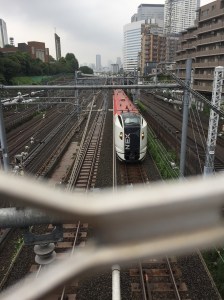
Everything was going smoothly until I went looking for the Odakyu line. I found myself in another part of the station able to go no further since I’d put my ticket in the entrance machine and it believed my journey was done. Does this mean I have to go out of the station? I was in complete confusion until I spotted ticket vending for the Odakyu line, where I was able to buy a ticket for Gotokuji, and realized, yes, I had to go out of the station to re-enter for the Odakyu line.
Going away from Tokyo at late morning, the train was nearly empty. Arriving at Gotokuji station—just a platform—I headed down some stairs and outside. Now what? I did not see a sign to the temple so I set out in the direction I thought I should go, but the path seemed to go only under the tracks.
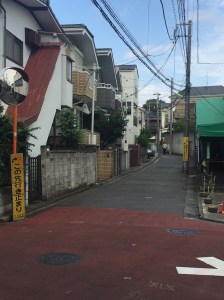
Where now? I headed back toward the station to get my bearings and start again. Without Wi-Fi, I’d been avoiding Google maps, but now, rather than wasting more time, I pulled out my phone, oriented myself, and set out again—only to find that I’d been going in the right direction after all. A short walk to the right under the tracks and straight on from there until I came to a little neighborhood, turn right, then straight down a narrow street lined with little houses. Some appeared to be multi-family, some single family with the tiniest yards. Every home had plants, shrubs, flowers, bicycles propped by gates, stone walls.
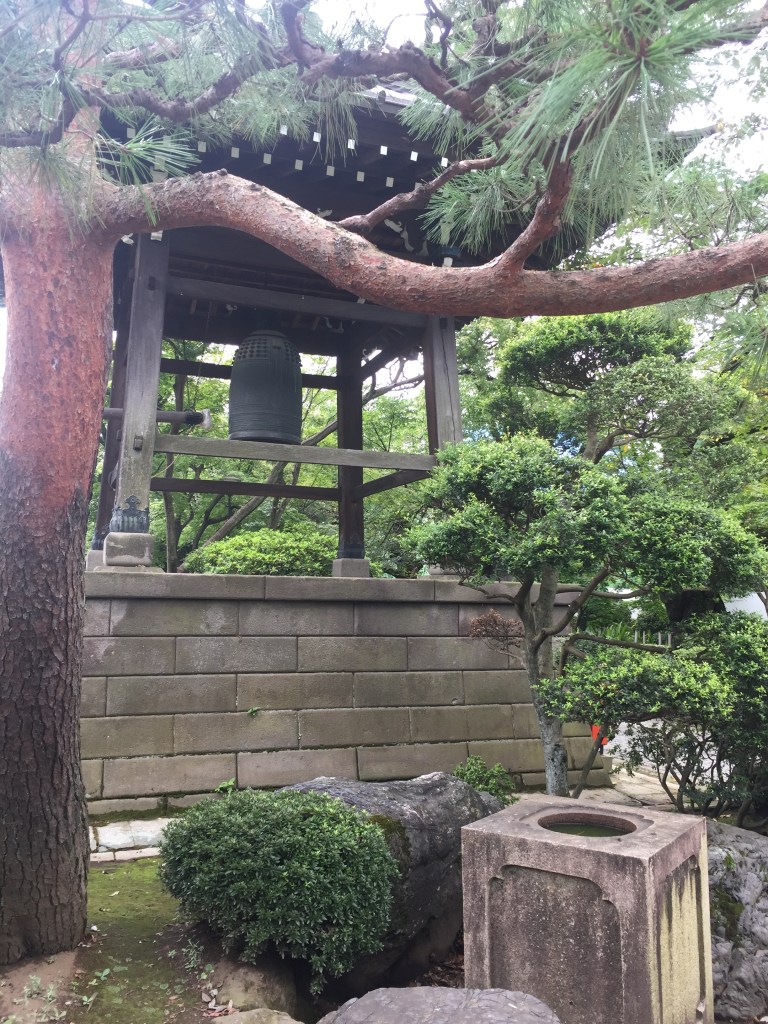
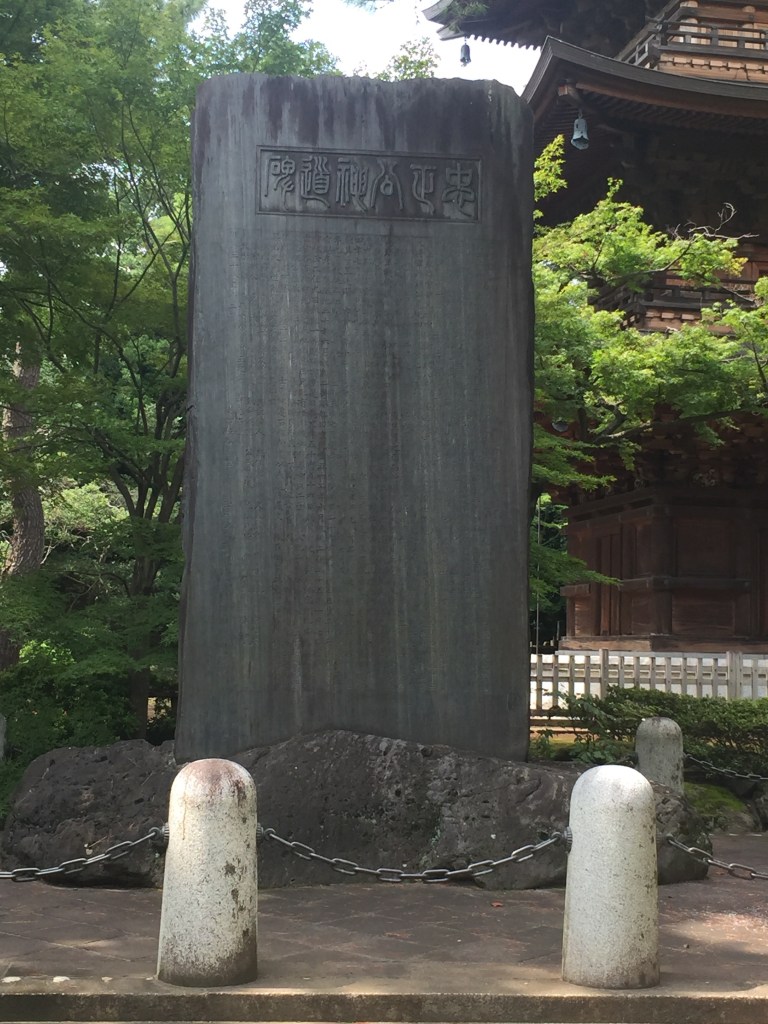
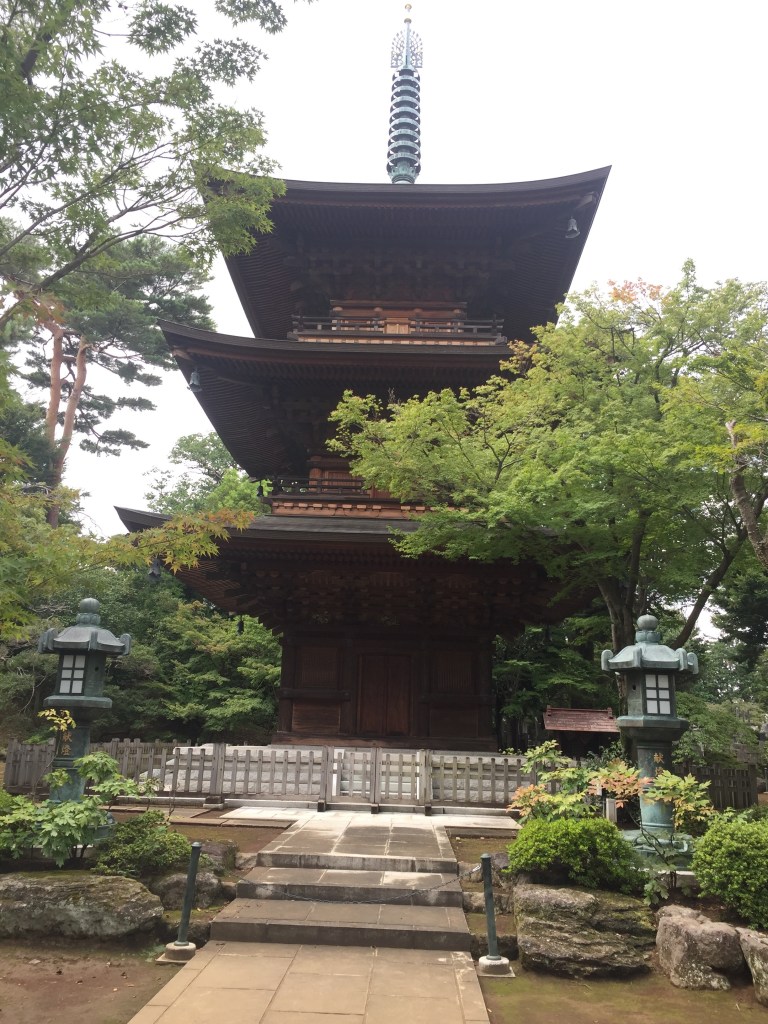
Finally I came to a high wall with a gate and a sign advising me—in English—this is the back of the temple, walk to the left and go to the front. Around another corner, and now before me, the big gate—the main entrance. I walked along a path shaded with trees, passing a 3-tiered pagoda, a tall monument of slate covered in Japanese characters, the temple bell.
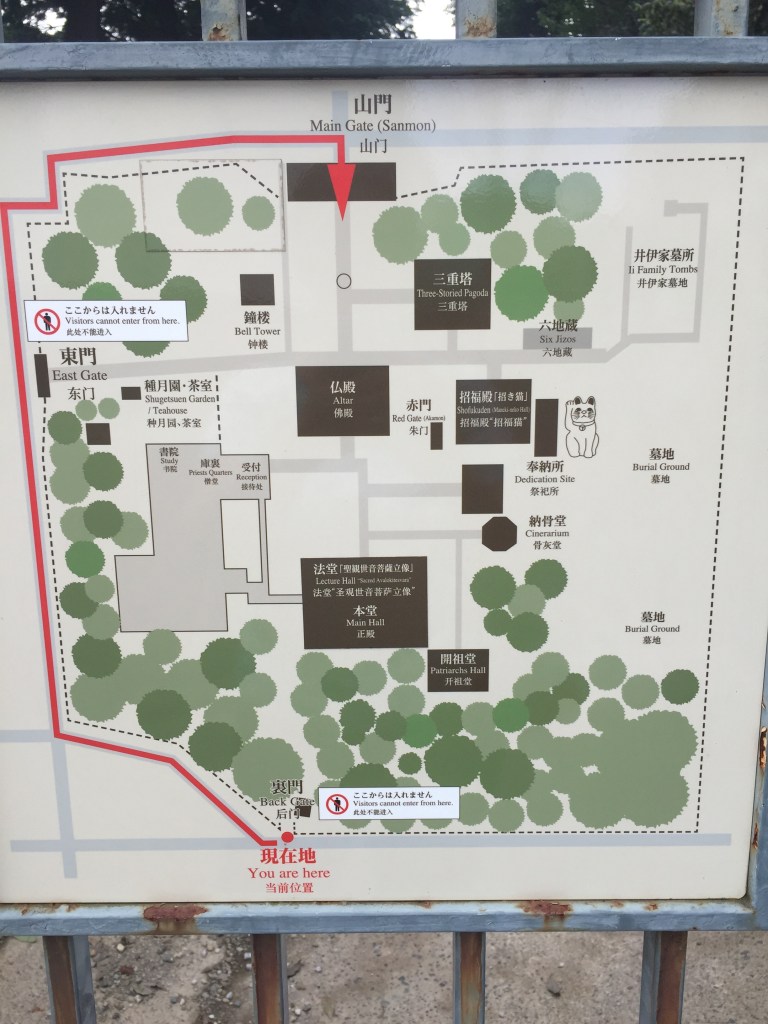
In front of the temple itself, an urn of sand and incense was set in the middle of the walkway. The lighter wouldn’t light for me, so I waved the smoke hanging in the air above the urn into my face.
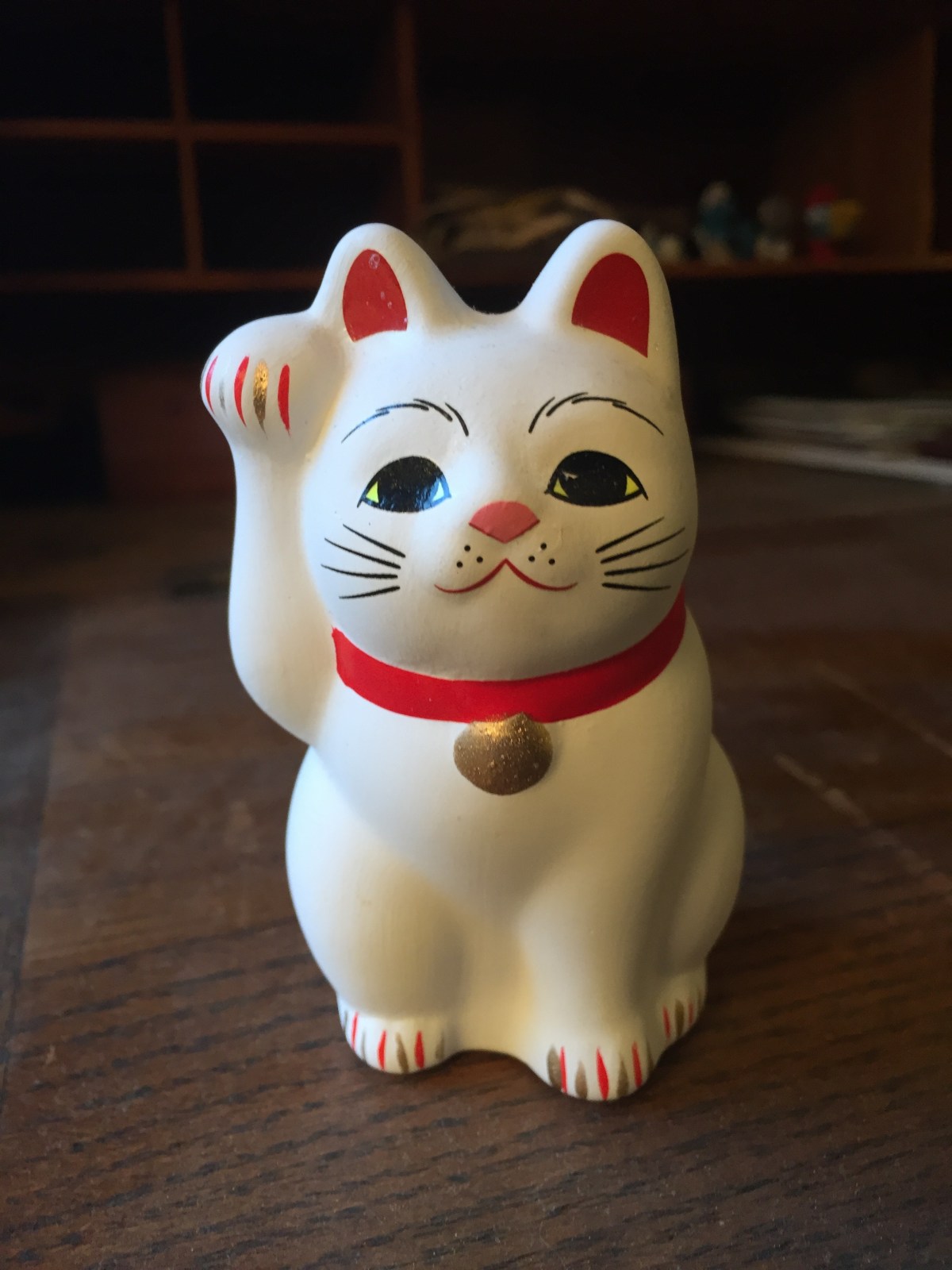
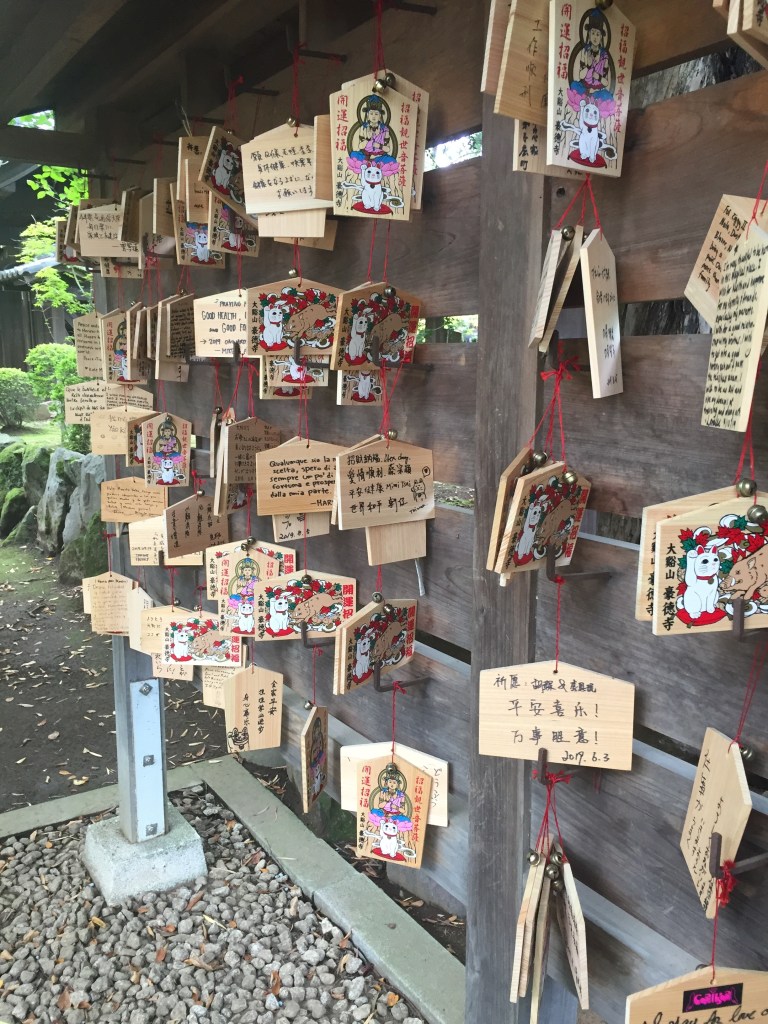
I wandered from building to building. The dark wood and beige stucco of the buildings spoke of the antiquity of the place, inviting me to linger. A few people were heading down a path, and sensing they knew where they were going, I followed along. On my right, a board displayed wooden cards, some written in English, most in Japanese, with prayers and requests for wishes to be granted. Each one carried a picture of the famous cat with paw raised.

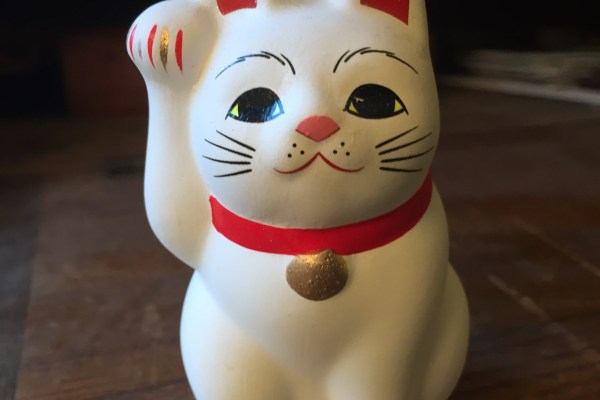
A little further on, I find what I’ve come for. So many cats, from the size of an acorn to very large ones, perhaps a foot tall, all exactly the same. Each representing someone’s wish, granted or hoped for. Some have been there a very long time, now dusted with green algae from the humidity, while others are bright white and new. They cluster around a lordly relaxing bas-relief Buddha who serenely oversees them.


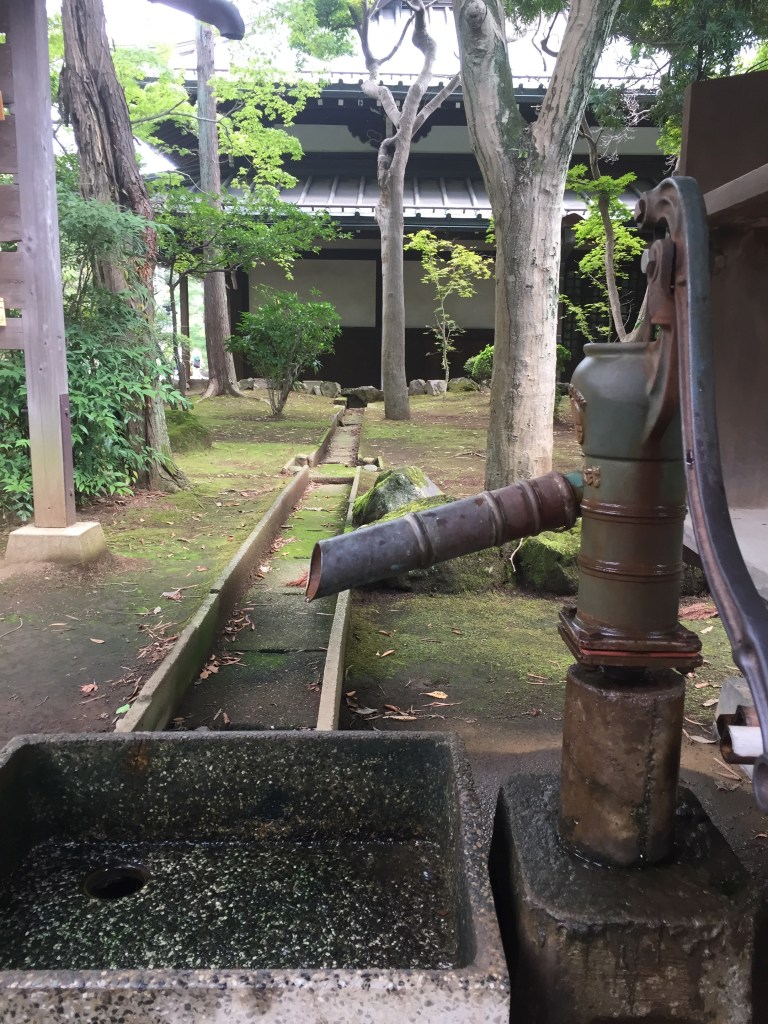
The temple is small; only a few buildings can be entered. Near the main building, a water pump can be worked to send water into a channel; like others, I try pumping and watch the trickle into the channel. In front of the temple building near the cats, people—smiling couples, elders, families—approach, bow, clap hands, pray briefly, bow, pull the bell cord to make it chime, and then wander off. I do the same, making my wish for health and happiness for my family.
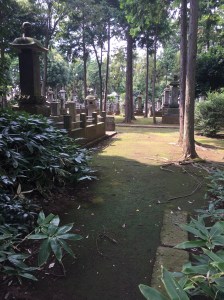
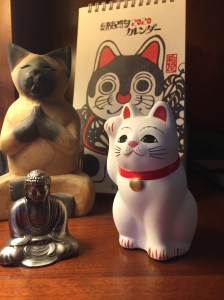
Walking further, I come upon the cemetery, where I wander around looking at the stones, and then nearby, come to the little shop where you can buy a beckoning cat to place at the Dedication Site. I bought cats to bring home to my family, and the smiling lady seemed so happy that I was there as she pressed into my hand an English copy of the beckoning cat’s story. …
A long time ago, the temple was nothing more than a shabby hut where a monk lived on alms and little else. He had a cat he loved as his own child, and one day, he said to the cat, “If you are grateful to me, bring some fortune to the temple.” A long time later, in the summer, a group of Samurai warriors came by. They said, “We were about to pass your gate, but there was a cat crouching and suddenly it lifted its paw and started waving at us, inviting us to rest.” So the monk brought them tea and urged them to relax. Suddenly a thunderstorm sent pouring rain and lightning, forcing them to remain with the monk, who passed the time by preaching to them about the Buddha. The Samurai, so impressed, told the monk that he was king of a prefecture and because of the cat’s waving, he was able to hear this message, saying “This must be Buddha’s will.” After he returned home, the Samurai donated huge rice fields and croplands to the temple. Because of the cat, fortune came to the temple, which is now called the cat temple. The statue of the cat was established to help people remember the story, and now everybody knows it as a symbol of household serenity, business prosperity, and fulfillment of wishes.
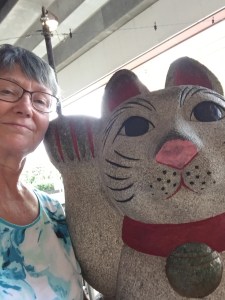
Back at the Gotokuji Station…how did I miss this guy?
 Linnea Arold Michel