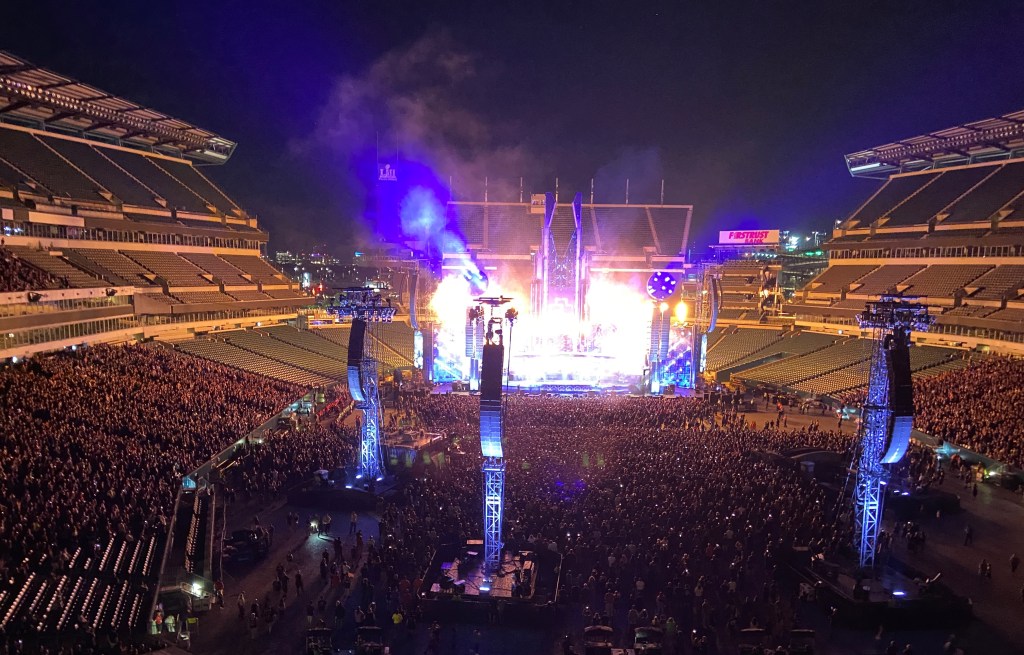
There’s been a lot in the media lately about outrageous ticket prices for live music—the add-on fees exceeding the ticket price; Ticketmaster’s plan to float seat prices according to demand (euphemistically referred to as “dynamic pricing”) as is the norm with air travel prices (and why not—some tickets cost as much or more than air travel); and the debacle of Taylor Swift’s presale demand overwhelming Ticketmaster systems. All of this is merely capitalism at its best—it’s all about demand and market forces.
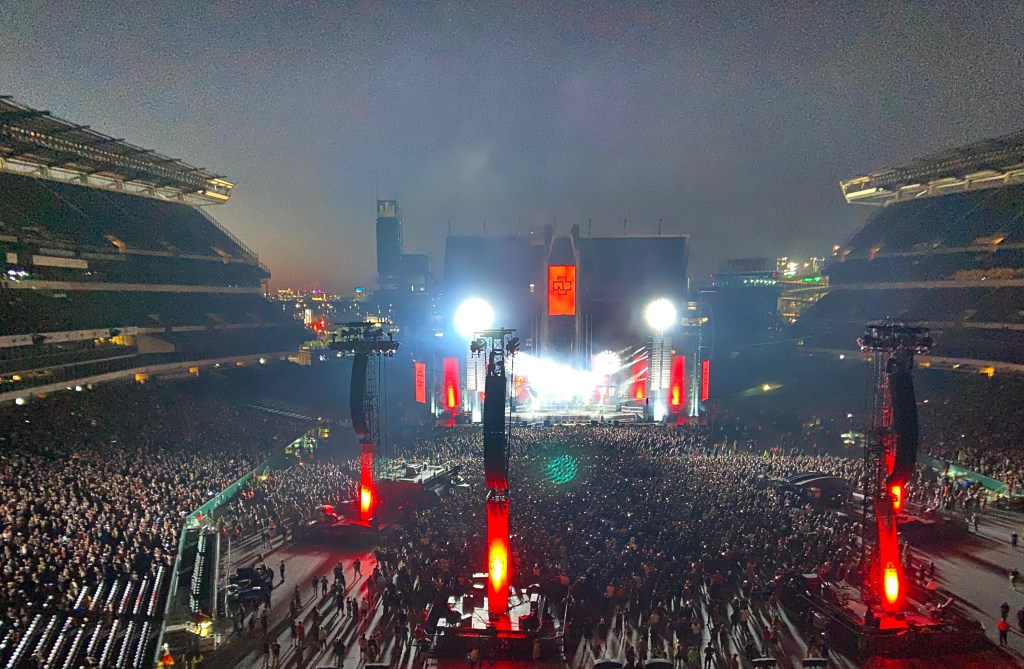
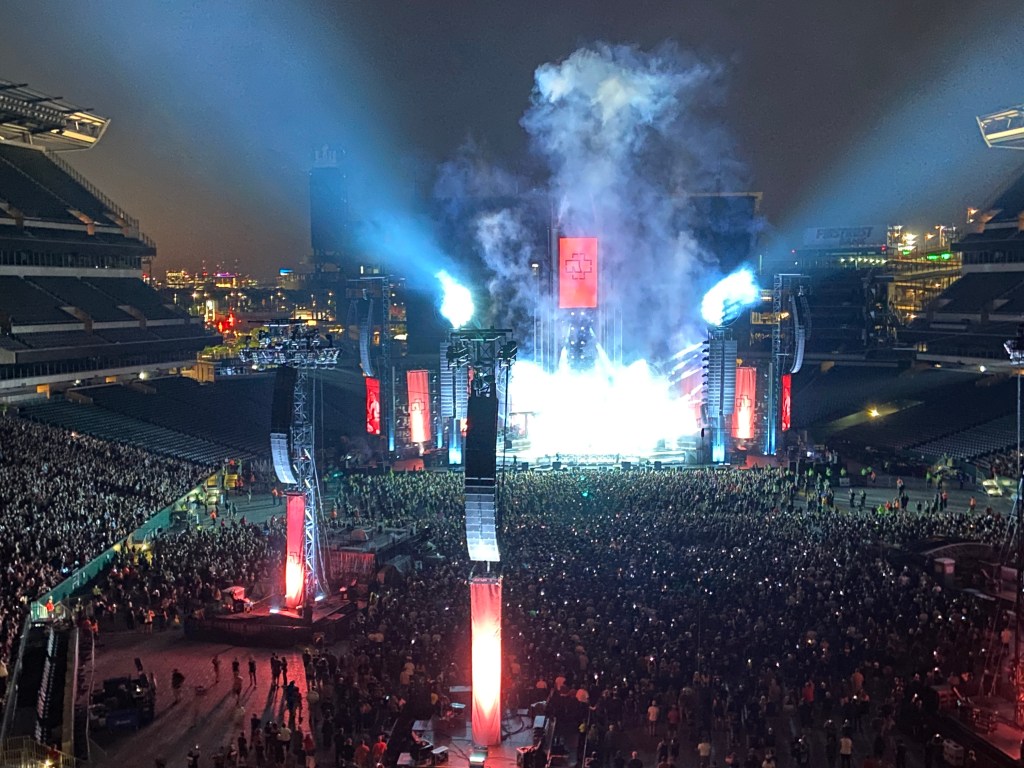
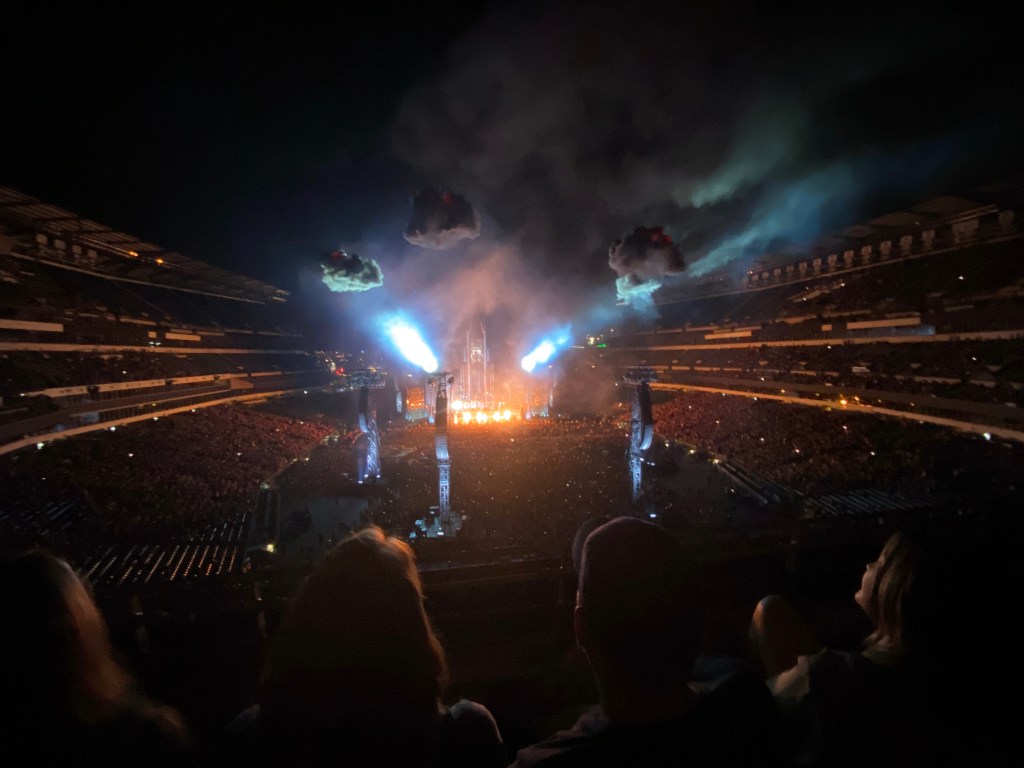
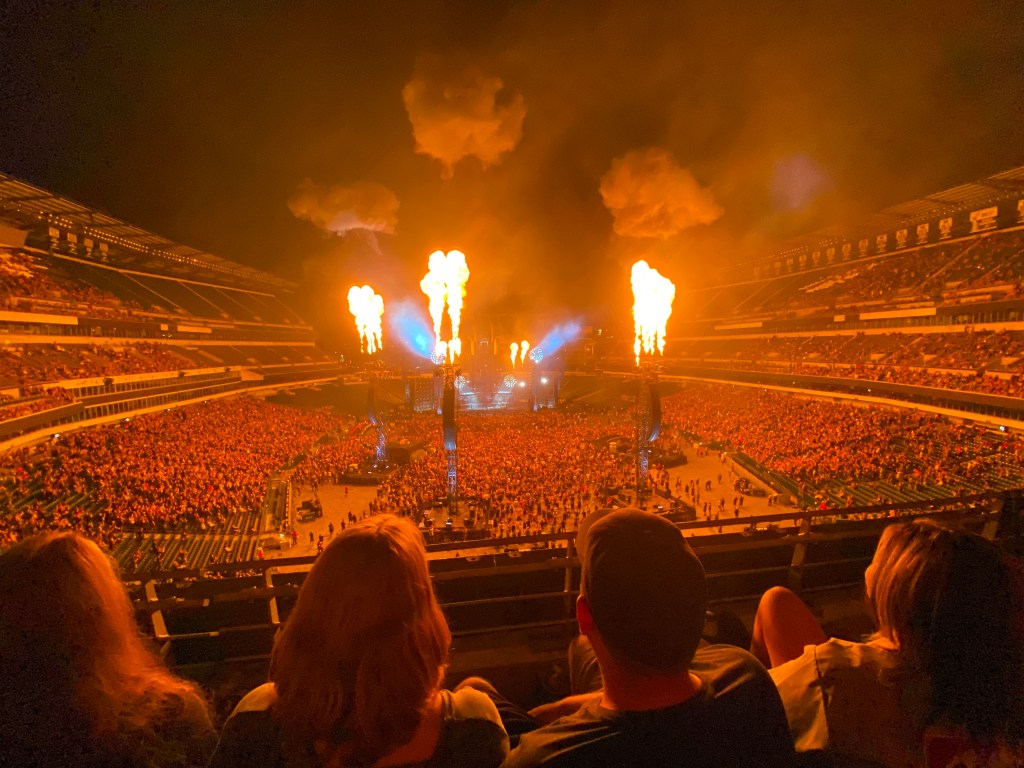
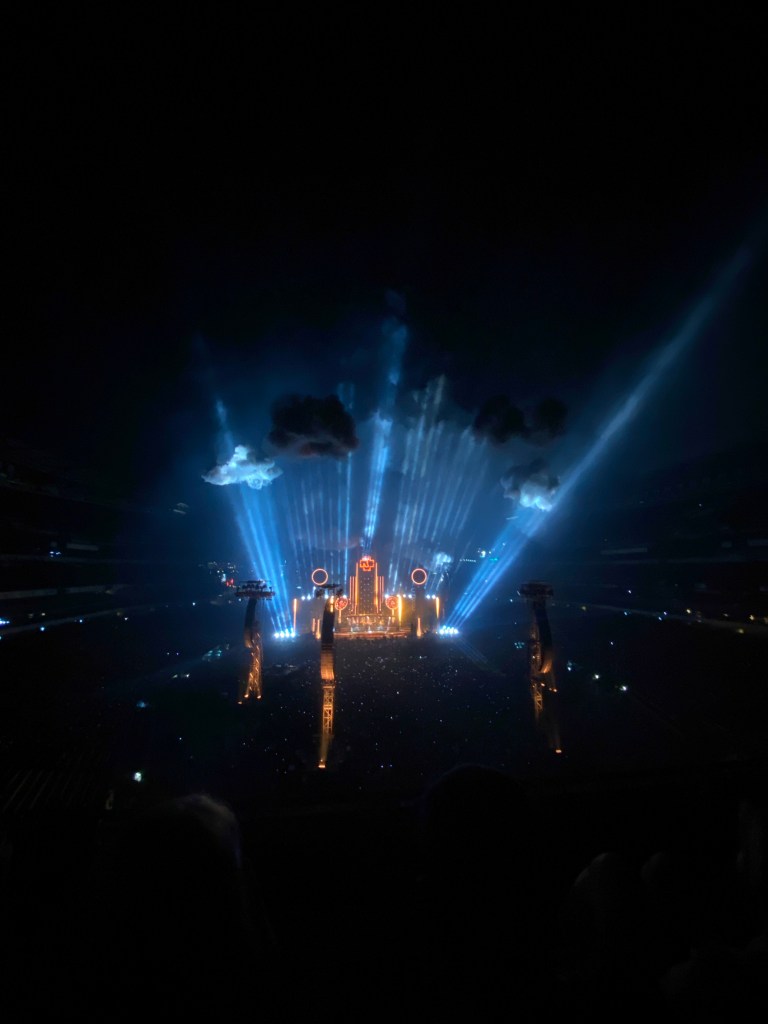
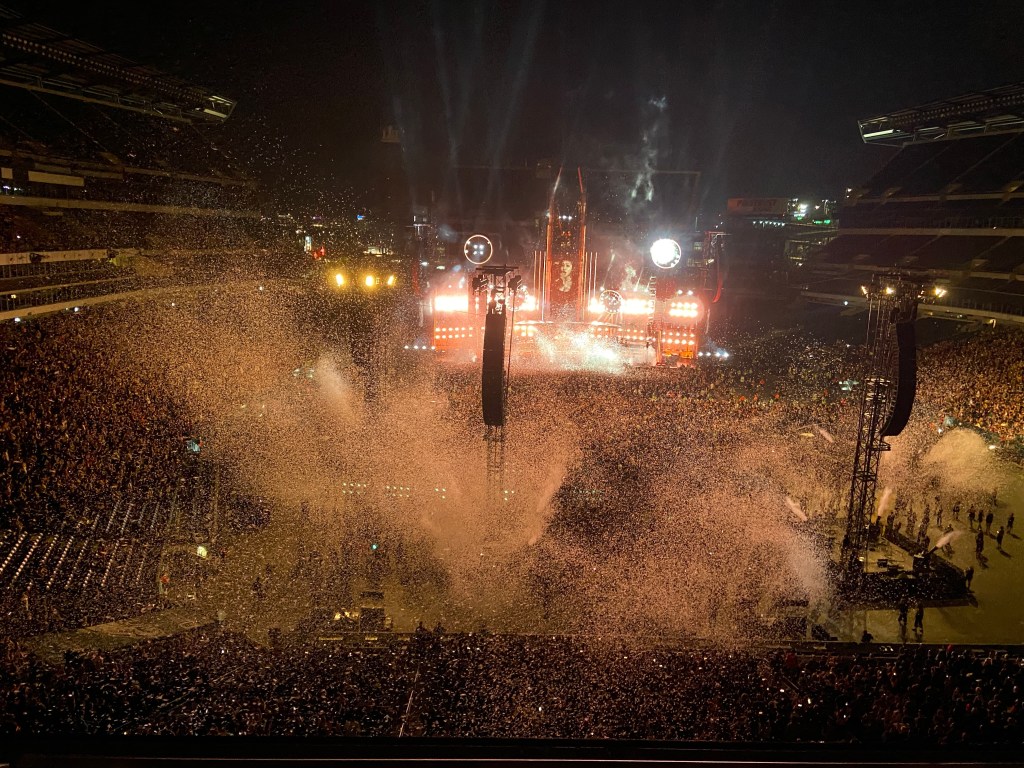
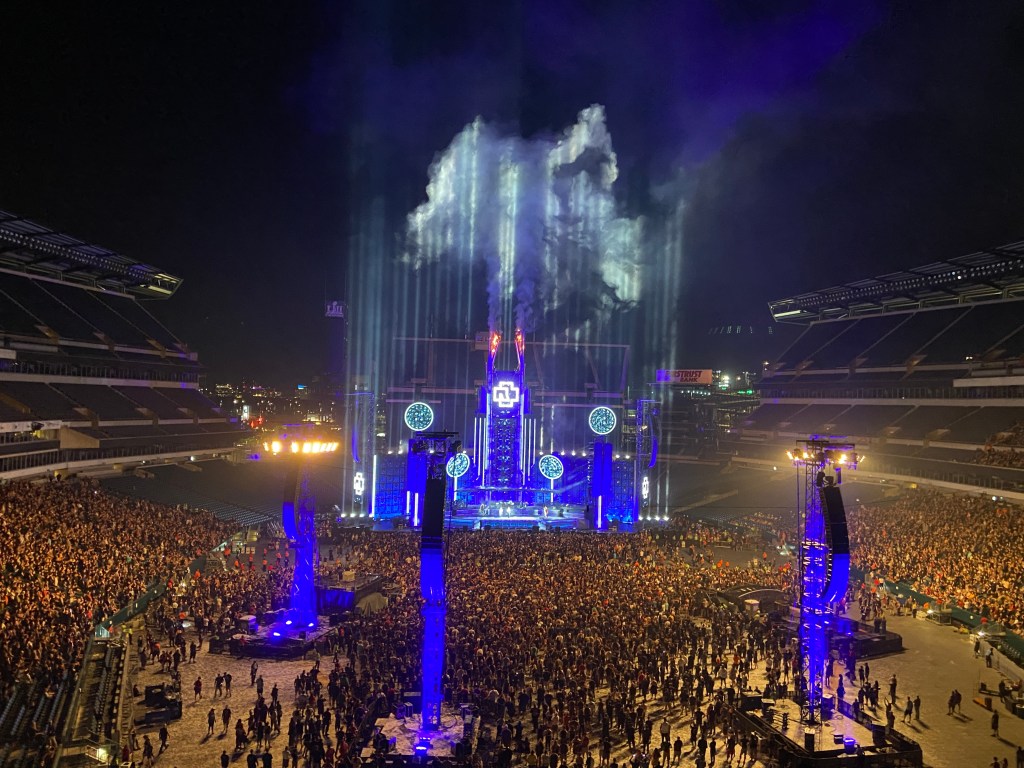
Those spectacular concerts and mega-shows, fees or no fees, cost significant dollars for a seat, and if you can afford the seat (or standing), you can probably also afford the $20 burger and $10 beverage, and don’t forget, there will be merch as well, making for a pretty expensive night. These shows are making somebody rich—probably the label—with a reasonable (we hope) percentage to the band and its songwriters. These are shows for bands that have arrived, bands with the clout to write their own tickets (pardon the pun).
But there’s more to the live music world than expensive flame-throwing spectacles. Elite artists, it’s safe to say, got their start somewhere else.
This was brought home to me recently at the Rivet Canteen and Assembly in Pottstown, Pennsylvania. I was happy to find that my plan to paint my daughter’s kitchen on a recent weekend coincided with an opportunity to support a local Pennsylvania band, Die Tired, whom I’d been following via Spotify and social media. My daughter had tagged me on one of their posts, I checked them out on Spotify, and told her, “We should go see these guys!”
The Rivet is located in a century-old downtown Pottstown building, with rustic styling to reflect the town’s industrial history. The venue presents both live music (their full schedule is here) and celebratory events, like wedding receptions and corporate parties. Their large room, called the Foundry (in honor of the region’s steel-making era), offers a good-sized stage, sound system and lighting, along with table seating for the audience. Die Tired was the headliner, with two other new-to-us bands on the program. All of the bands hailed from eastern Pennsylvania.
Arriving shortly after doors opened, we parked in the free lot out back and walked up to the entrance. From the street, with its big glass windows common once-upon-a-time along Main Streets everywhere, Rivet’s space looks like it might have once housed a department store. Inside, we were welcomed by a staffmember who invited us to pick a table in the Foundry room and shared menus from nearby brewpubs; she explained that we could just call them and order delivery right to the Rivet.
Choosing a table was a major decision: Do we sit really close to the action (about 15 feet in front of the drum kit) or less close, up in back (maybe 30 feet from the band) but in an elevated semicircular booth (very nice for a date night!).We opted for right in front of the drum kit.
As we sat there considering what food to order, two guys came over to chat. They revealed themselves to be with Die Tired. They’d seen my post wherein I tagged my daughter with her photographer handle, and we chatted awhile about bands she’s photographed.
Kristin went to fetch us a couple of beers—“Tripod” Belgian tripels—from the Rivet’s bar but brewed across the street at J. J. Ratigan’s. Then we began unpacking our just-delivered chili and loaded tater tots from Pottstown United Brewing Company.
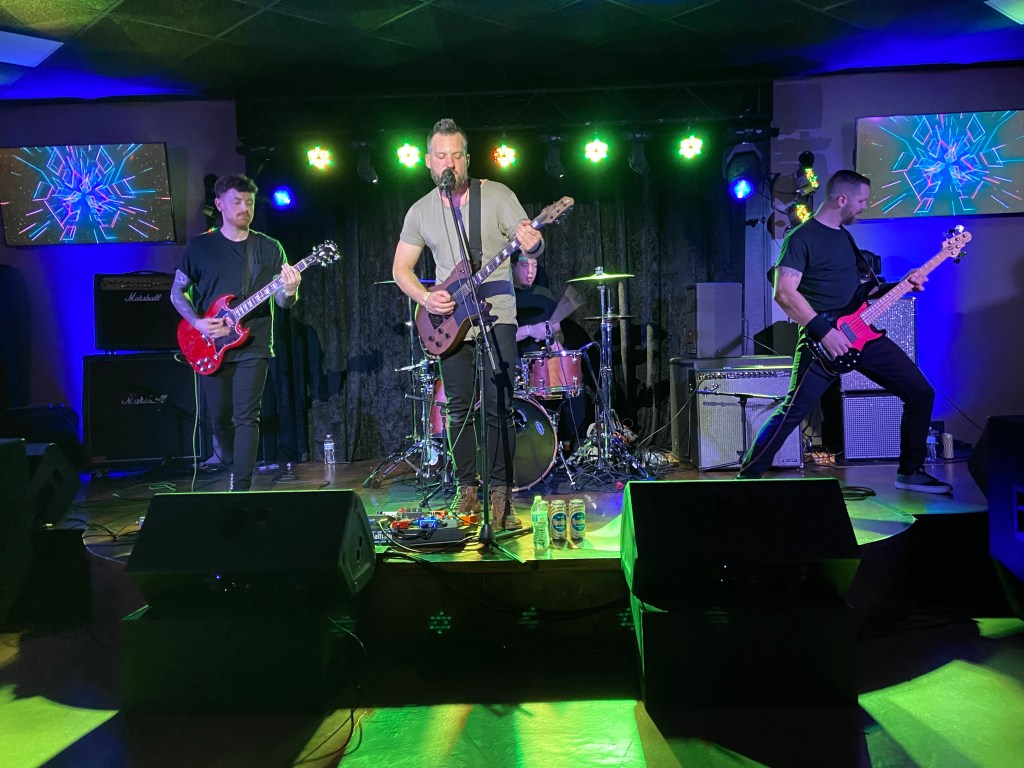
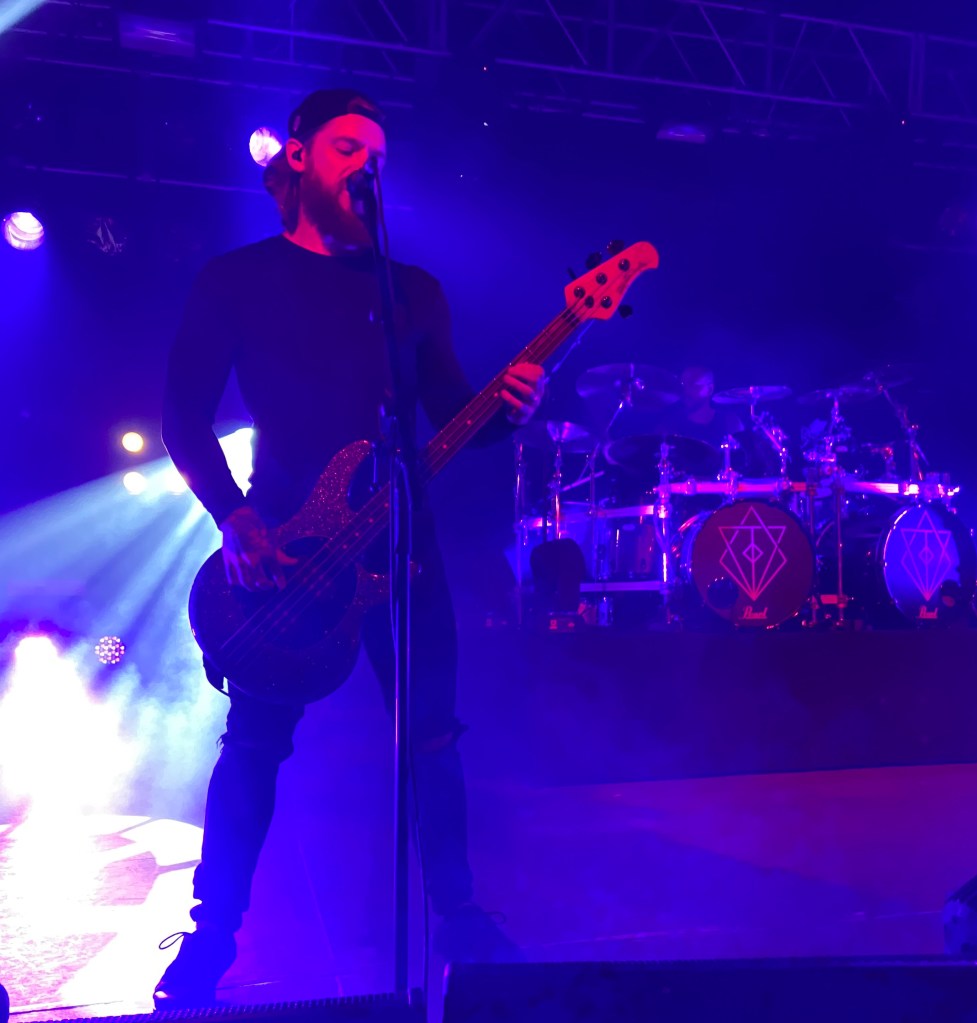
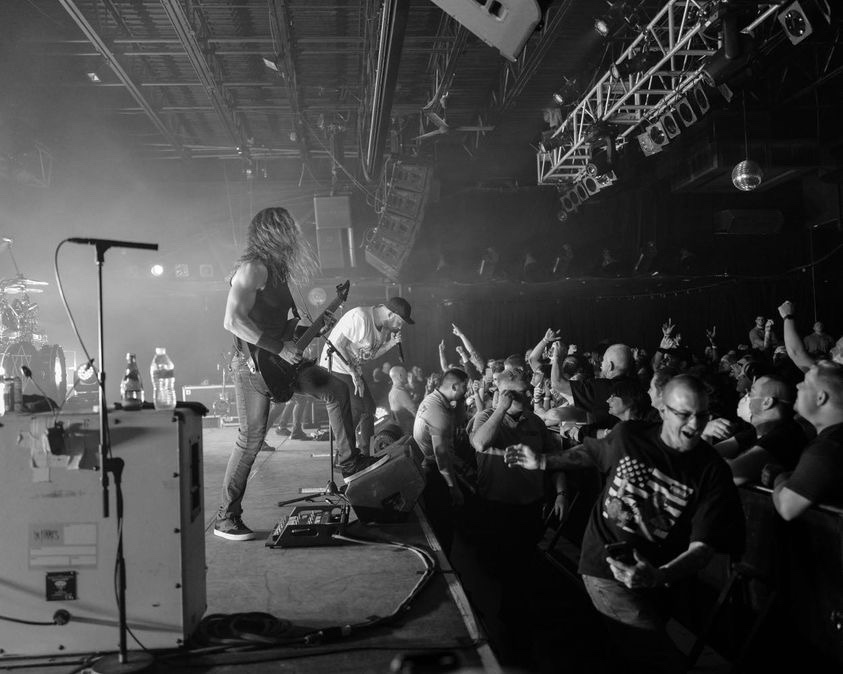
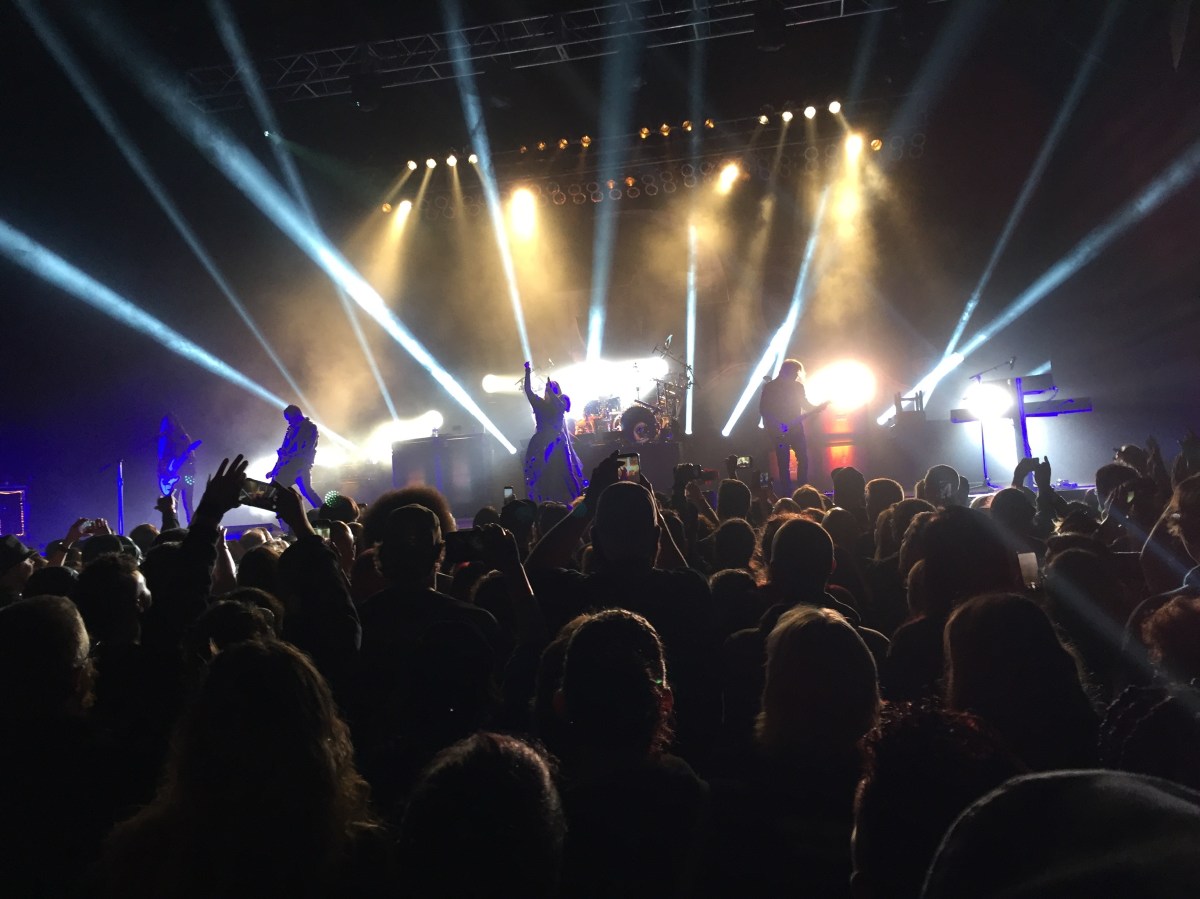
While we were digging into our tots, the opening band, The Tressels, came out, did a quick sound check, and then hurtled full-throttle into their set. These guys could play! I was even more astounded when their vocalist said this was their first show since 2016. They wrapped up about 45 minutes later, cleared their equipment, and the next band, Hannibal-HNBL, came out, channeling ‘70s prog rock that blew me away. Headliner Die Tired capped off the show with a great set that included their just-dropped-that-day single, “Better Off Alive”, as well as another recent single, “Play”. After their sets, at the merch table, I chatted with HNBL and Die Tired band members while adding to my tee shirt collection. And all this crazy good rock ‘n’ roll for only $12 at the door!
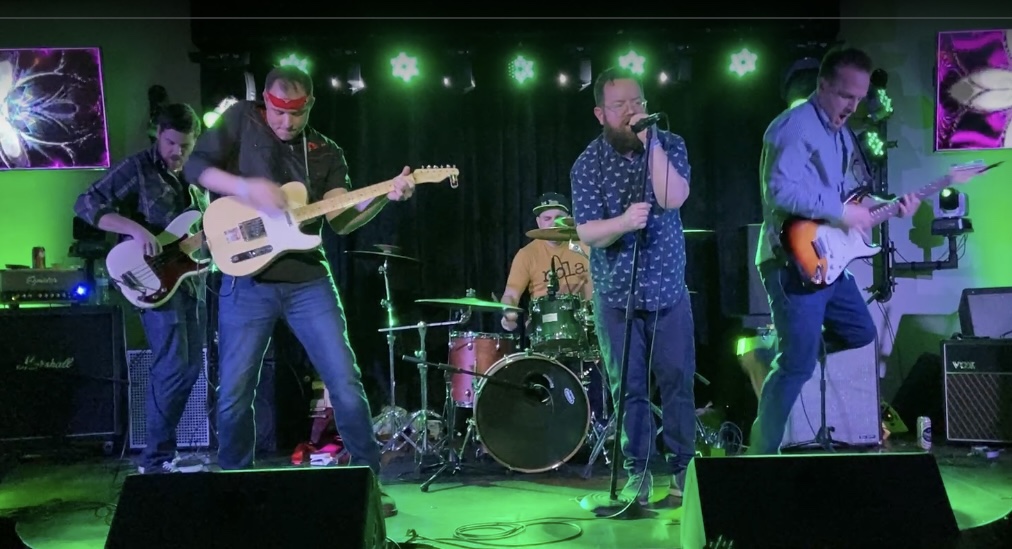
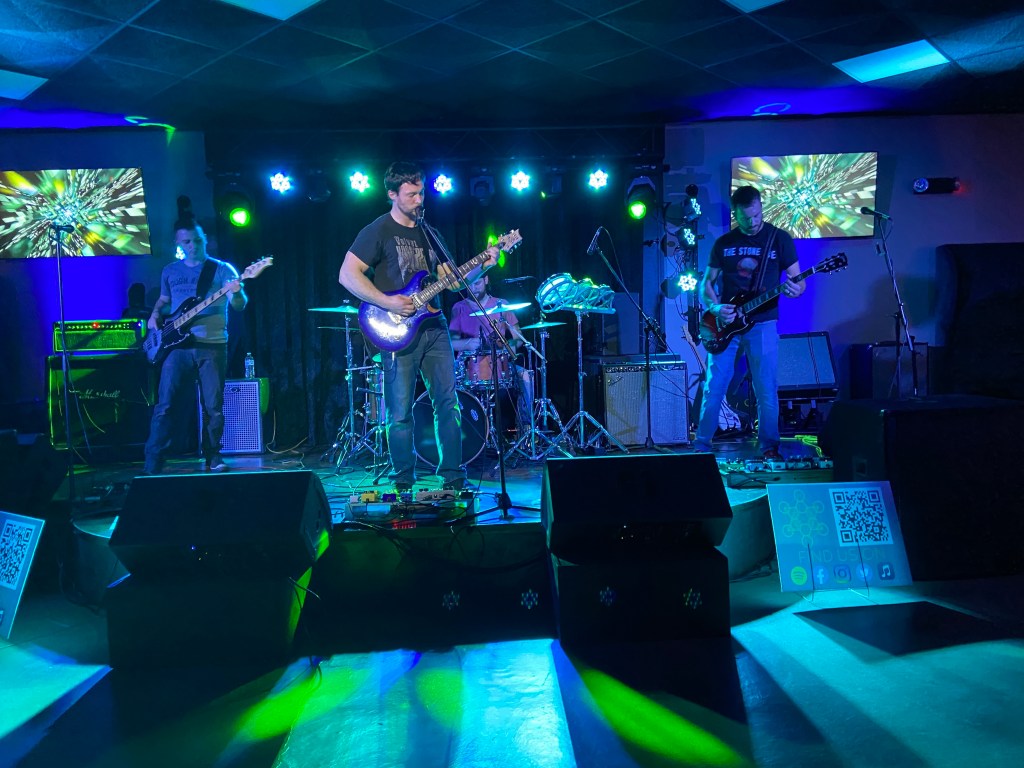
I only wished the crowd had been bigger for these fantastic local bands.
These musicians haven’t given up their day jobs yet. Like the rest of us, they work all day, but then they go home to practice their music. You cannot stand up in front of a crowd and be the evening’s rock star if you haven’t put in the work. For all the excitement and spectacle of a stadium show, the mega-bands on the program of such a show did not burst full-blown onto the world stage. They had to start by getting up the courage to show up in a small venue somewhere and take their chances with a live audience for a first time, and many more times thereafter. Artists practice in private but at some point, validation requires that they go out front and play. And we should be there to support them when they do.
One of the catastrophes of the pandemic was the impact of lockdowns on these small local venues and the bands that depend on them. I would hazard a guess that those big arenas and stadiums did not suffer the pandemic to quite the same degree.
Remember when we were unable to go to live performances? Tours were canceled, rescheduled, canceled, rescheduled and sometimes finally scratched entirely. The venues for these performances suffered the loss of income painfully, but not equally. The arenas and stadiums knew their bread-and-butter sports teams and elite bands—and their fans—would be back as soon as the pandemic eased. Small venues and local bands had no such assurance. Many small venues did not survive.
While stadium and arena shows do inject funds into their communities, small venues do so as well on a grassroots level. Like their bigger cousins, small venues pay taxes in their communities and provide employment for local people.
But small venues have another part to play. They offer entrée into the world of artistic performance for the local bands and artists who appear there. Small venues are the proving grounds for young or new artists, where they can cut their musical teeth, discover their fans, and advance their art.
Only in the small venue can you have that in-the-room feeling, the excitement of being part of something special, sharing the atmosphere with like-minded fans in support of a group of musicians who are trying to make a go of it. In the small venue, you can watch the guitarist’s hands on the instrument as you hear the notes reverberating in the room, you can make eye contact, and connect with the artist in a way that is impossible in a mega-venue (unless perhaps you’re down there on the floor at the barrier, but that’s a different experience entirely.)
Local music will likely never have the polish of those flame-throwing mega-bands with their decades playing together. Local music will always be a little rough around the edges. But what could be better than spending a few bucks in a local spot and discovering a bunch of hard-working musicians having a great time making music for you. After all, it was a small local venue—that repurposed warehouse cellar in Liverpool known as The Cavern—that gave the Beatles their start.
For a good discussion of the key part that small venues play in the music industry, check out this pertinent article from 2020.
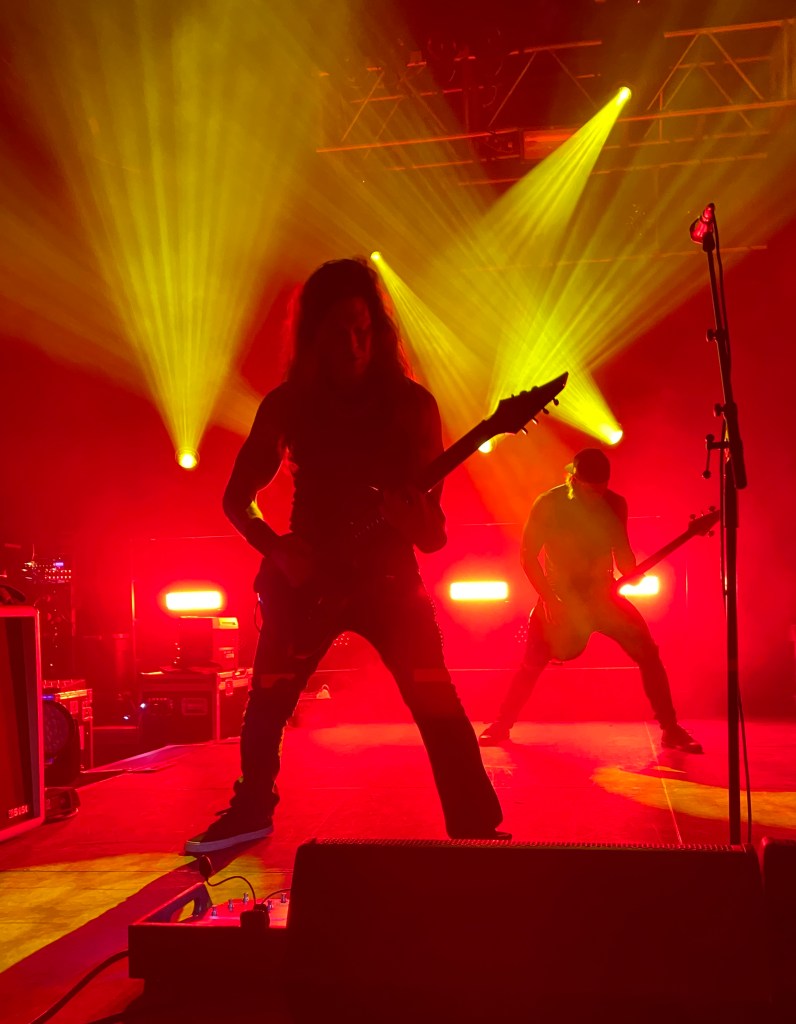
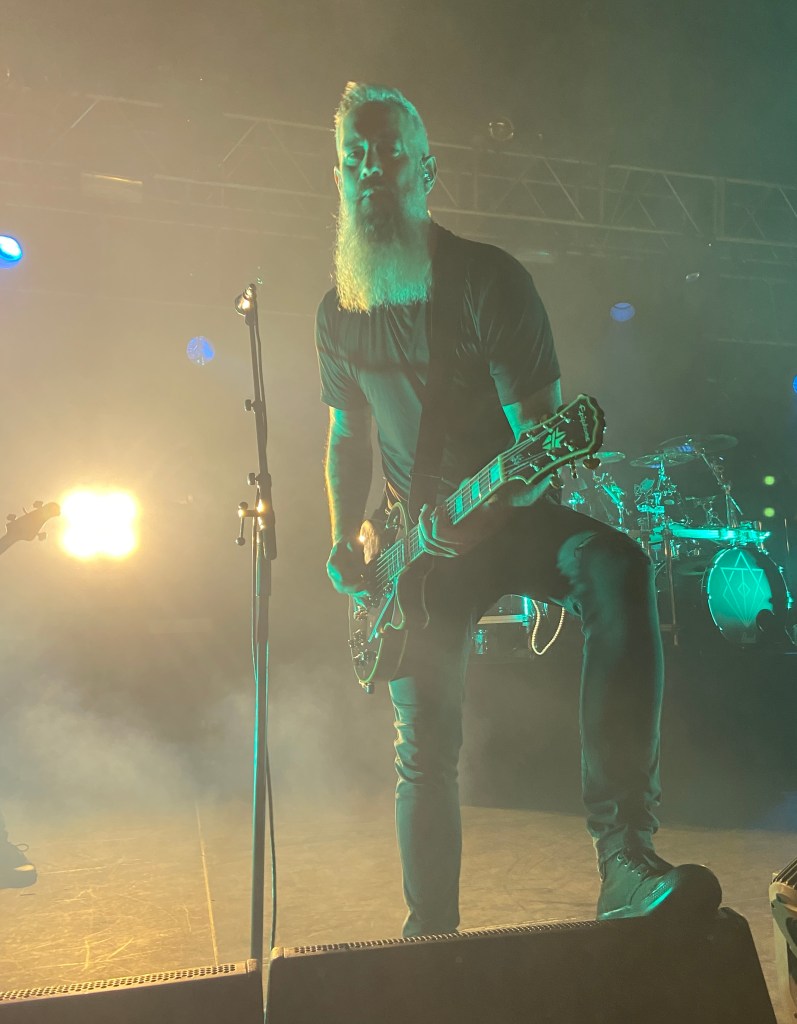
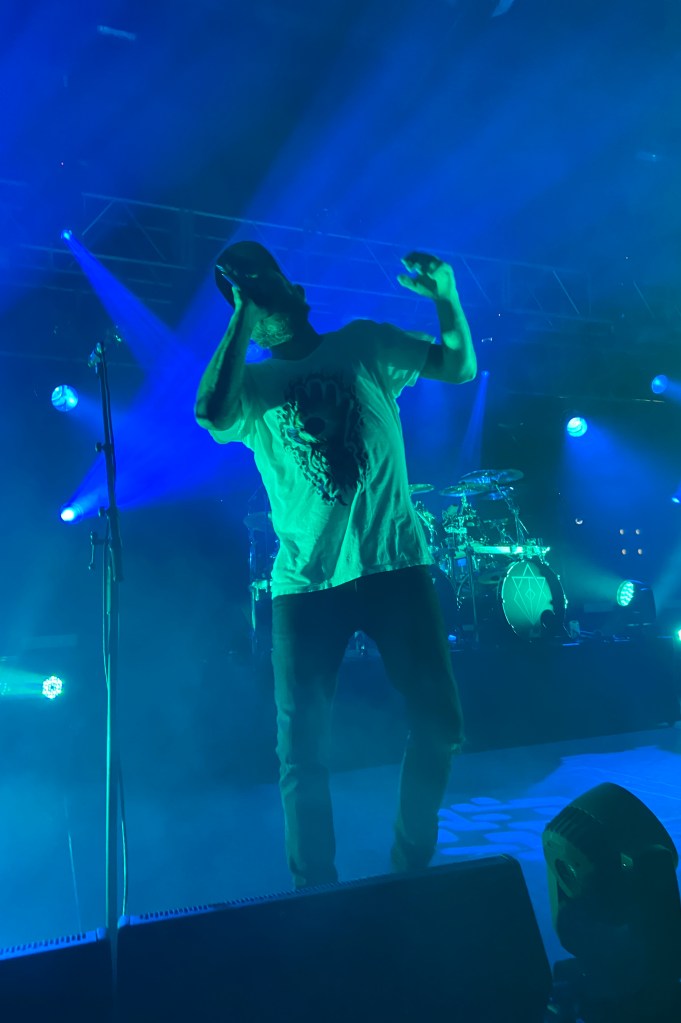



 Linnea Arold Michel